Estate clearance West Hampstead Mill Lane and Fortune Green
Posted on 10/06/2026
Estate clearance West Hampstead Mill Lane and Fortune Green: a practical, local guide
If you're dealing with an estate clearance in West Hampstead, Mill Lane, or Fortune Green, you probably want the same three things: less stress, a clear plan, and no unpleasant surprises. Estate clearance West Hampstead Mill Lane and Fortune Green often comes up at a busy, emotional moment, whether you're managing a loved one's home, preparing a property for sale, or clearing space after a long tenancy. It can feel like a lot. Truth be told, it usually is.
This guide walks through how the process works, what to expect locally, how to avoid common mistakes, and when a broader service such as house clearance in West Hampstead or furniture disposal may be the cleaner option. You'll also find a practical checklist, a comparison table, and a few real-world pointers that make the whole thing feel a bit less daunting.
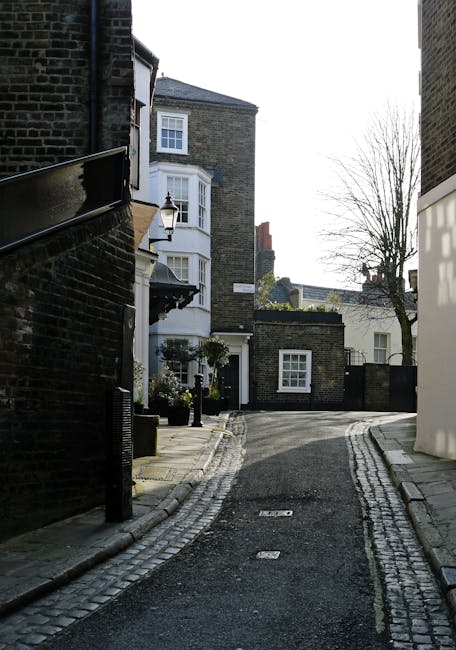
Why Estate clearance West Hampstead Mill Lane and Fortune Green Matters
Estate clearance is more than just "getting rid of stuff". In a neighbourhood like West Hampstead, especially around Mill Lane and Fortune Green, the practical side matters because homes are often tightly arranged, access can be awkward, and time windows can be narrow. A clearance that is rushed or badly planned can leave you with clutter, blocked walkways, damaged surfaces, or a second round of work that nobody wants.
It also matters emotionally. Estate clearances frequently happen during bereavement, after a downsizing decision, or in the middle of a property handover. That means the work has to be efficient, respectful, and organised. You are not just clearing rooms. You are sorting through memories, legal paperwork, furniture, and waste streams all at once. That's a lot to hold in your head on a Tuesday morning, let's be honest.
Locally, this kind of clearance can support a smoother sale, a quicker tenancy changeover, or a cleaner renovation handoff. If you are also dealing with old fixtures, builders' offcuts, or renovation debris, it can help to combine the work with builders waste disposal West Hampstead or broader waste services. That way the job is handled in one coordinated visit rather than dragged out across several days.
Expert summary: A good estate clearance should protect the property, save time, reduce stress, and leave you with a clear next step - whether that is sale, probate, letting, refurbishment, or simply peace of mind.
How Estate clearance West Hampstead Mill Lane and Fortune Green Works
The process is usually straightforward, though the details depend on the size of the property and the volume of items. Most clearances begin with a quick assessment of what needs to stay, what needs to be removed, and what may need special handling. That might include furniture, white goods, clothing, books, paperwork, soft furnishings, household waste, and occasionally awkward items like broken wardrobes or old office equipment. The key is sorting before lifting, not after.
In practice, a clear plan usually looks like this:
- Assess the property room by room.
- Separate items for retention, donation, recycling, and disposal.
- Identify anything sensitive, valuable, or legally important.
- Agree access details for parking, stairs, lift use, and timing.
- Carry out removal carefully to avoid damage to walls, floors, and communal areas.
- Finish with a tidy-through so the property is left ready for its next stage.
That last point sounds simple, but it makes a real difference. A place can look "done" after the bulk of the removal, yet still feel half-finished if dust, packaging, or small items are left behind. A neat end-state matters, especially if you're preparing the property for agents, surveyors, family viewings, or contractors.
If the property is mainly domestic and includes old sofas, tables, and broken bedroom pieces, house clearance West Hampstead may be the nearest fit. If the clearance includes just a few bulky items, a smaller job may be closer to furniture disposal or planned waste collection West Hampstead. The right option depends on volume, access, and urgency.
Key Benefits and Practical Advantages
The biggest benefit is time. Estate clearances can take a weekend, a week, or longer if handled piecemeal. A structured service condenses that chaos into a manageable sequence. You also reduce decision fatigue, which is a real thing - after an hour of opening cupboards and sorting paperwork, your brain simply starts filing everything under "later".
Other practical advantages include:
- Less physical strain: no dragging heavy furniture down narrow stairs on your own.
- Better sorting outcomes: reusable and recyclable items are easier to separate when the job is planned.
- Cleaner property handover: useful for landlords, executors, homeowners, and agents.
- Reduced clutter in shared spaces: especially helpful in flats and conversions.
- Safer handling of awkward items: such as broken drawers, glass, or mixed household waste.
There is also a quieter benefit: clarity. Once the property is cleared, decisions become easier. You can measure up properly, inspect the structure, arrange cleaning, or hand the keys over without that nagging sense that something has been missed.
And if sustainability matters to you, a careful clearance can be a better fit than a blunt "take everything" approach. Many people prefer to keep usable items in circulation where possible and reduce avoidable waste. That is where a thoughtful provider and a bit of sorting discipline go a long way.
Who This Is For and When It Makes Sense
This service is useful for a surprisingly wide range of people. Most obviously, it helps executors and family members managing a bereavement clearance. But it is just as relevant for landlords, solicitors, homeowners, property managers, and families helping an older relative downsize. In West Hampstead and nearby pockets like Fortune Green, you also see it after long lets, before sales, and following refurbishments that have left the property full of leftovers.
It makes sense when:
- the home contains more than a few bulky items;
- you need the property emptied before a sale or handover;
- there are multiple rooms to clear and sort;
- access is limited and you want one organised visit rather than repeated trips;
- you need a respectful, efficient process during an already sensitive period;
- the clearance involves mixed waste, furniture, and miscellaneous household contents.
Sometimes the decision is obvious. Other times, the property looks manageable until you actually start opening cupboards, loft hatches, and old wardrobes. That's usually when the job quietly gets bigger. If the job is light, a simple collection can work. If not, a more complete clearance is the calmer choice.
For local context and wider neighbourhood awareness, some readers also find it helpful to look at the West End Lane rubbish collection guide and other area-focused articles that explain how waste and access can vary from street to street.
Step-by-Step Guidance
If you want the process to feel manageable, break it down. Simple sounds obvious, but it really works.
1. Decide what the goal is
Is the property being sold, let, renovated, or transferred? The goal changes what stays, what goes, and how thorough the clean-out needs to be. A sale often needs a stripped-back, presentable space. A renovation might need every last bulky item removed so contractors can work safely.
2. Walk the property before anything is moved
Do a full walkthrough and note what is valuable, sentimental, recyclable, fragile, or risky. Don't rely on memory. People are usually surprised by how much is hiding in cupboards or under beds. One small box can contain bank letters, photos, warranty papers, or keys. Easy to miss, and easy to regret later.
3. Separate by category
Make clear piles or labels for:
- keep
- return to family
- sell or donate
- recycle
- dispose
Even a rough sorting system helps. It prevents mix-ups and saves time on the day.
4. Check access and building rules
For flats around Mill Lane or Fortune Green, access can be the biggest headache. Think about stairwells, lift sizes, parking, loading space, and whether the building has any quiet-hour or access restrictions. Nothing derails a clearance faster than realising the wardrobe will not fit through the corridor. That happens. More often than people think.
5. Arrange the clearance and final tidy-up
Once the plan is clear, the removal can be done efficiently. If the job includes broken chairs, mattresses, or mixed household items, make sure those are clearly identified. After removal, check the rooms again, including lofts, cupboards, and behind doors. A final sweep saves a lot of backtracking later.
6. Confirm what happens next
Will there be a follow-up clean? Are there items to be collected later by relatives? Are any documents being stored separately? A tidy handover is not just about empty rooms; it's about knowing exactly what has happened to everything that mattered.
Expert Tips for Better Results
One of the most useful things you can do is set aside a "do not remove" area. That sounds very basic, but in a busy property it prevents mistakes. Put clearly marked items in one room or corner, and tell everyone involved before work starts. Better still, take quick photos before the clearance begins. It gives you a record if you need to double-check anything later.
Another tip: deal with paperwork early. Old tax letters, deeds, medical documents, and bank records often end up buried under everything else. You do not want those mixed into general waste by accident. A small box for sensitive items can save a lot of grief.
If there are reusable items, think strategically. For example, a solid dining table or good-condition chairs may be suitable for separate handling, while damaged or mismatched furniture goes into the main removal stream. If you are dealing with several bulky pieces, a dedicated furniture disposal service can be more efficient than trying to manage item by item.
And here's the slightly unglamorous truth: the best clearances are the ones that look boringly organised. No drama. No panic. No last-minute "where did the photo album go?" moment. That calmness is the real value.

Common Mistakes to Avoid
The first common mistake is underestimating the amount of time needed. A room that looks simple can contain layers of mixed contents, especially in long-occupied homes. Drawers, cupboards, shelves, loft spaces - they all add up. You think you'll finish by lunch, and then suddenly it's half past three.
Another mistake is treating everything as waste. Some items can be reused, repaired, donated, or separated for recycling. If you dispose of everything in one go, you may create more waste than necessary and miss an easier route for good-condition items.
People also sometimes forget access planning. In a quiet street or a property with restricted parking, the clearance can be slowed down by loading issues alone. A small delay becomes a bigger one if the team has to keep carrying items further than expected.
Other avoidable errors include:
- forgetting to check lofts, basements, or shed spaces;
- not separating documents and keepsakes early;
- assuming all bulky items can be lifted the same way;
- leaving the final tidy-up to "later";
- choosing a service without thinking through the full scope.
Honestly, the "later" approach is where most trouble starts.
Tools, Resources and Recommendations
You do not need a huge set of tools, but a few basics make the job smoother. Strong bin bags, marker pens, sticky labels, gloves, a torch, and a simple inventory sheet are often enough to get started. If you're sorting room by room, box labels make life much easier. Colour coding helps too, although it can get a bit messy if everyone decides their own system. Been there.
For larger clearances, a clear inventory is especially useful. It does not have to be fancy - just a list of items worth keeping, returning, checking, or discarding. You can build it on paper or digitally. The point is to stop the job from becoming a blur of half-remembered decisions.
From a service perspective, it can be useful to compare the wider options depending on what you are clearing:
- House clearance: best for full or near-full domestic clearances.
- Furniture disposal: useful for bulky items that are the main issue.
- Waste collection: suitable for mixed household waste and smaller-scale jobs.
- Recycling-led removal: helpful where the aim is to reduce landfill where possible.
If you want to understand the company's wider service scope before deciding, the services overview is a sensible starting point. For customers comparing transparency on fees and process, pricing and quotes can also be useful.
And if you're thinking more broadly about sustainability, it's worth reading recycling and sustainability. That is especially relevant when a property contains a mix of furniture, metal, paper, textiles, and general household items.
Law, Compliance, Standards, or Best Practice
For estate clearance, best practice matters. In the UK, waste should be handled responsibly, and it is sensible to use a provider that can manage removal in a lawful, traceable way. You do not need to become a waste regulations expert overnight, but you do want to avoid fly-tipping risks, unsafe lifting, or careless disposal of mixed materials. That much is clear.
Good practice usually includes:
- careful separation of reusable, recyclable, and disposable items;
- safe handling of sharp, heavy, or awkward objects;
- respectful treatment of personal belongings and documents;
- clear communication about what will be removed;
- insurance awareness for any work done inside the property.
If there is any question of valuables, legal paperwork, or probate-related items, pause and review before the clearance proceeds. It is better to delay for one hour than to lose something important forever. That sounds dramatic, but it happens more easily than you'd think.
You can also look at general operational reassurance through insurance and safety and the company's own about us page if you want more context on approach and standards. For terms around service expectations, terms and conditions and payment and security are also worth a look before booking anything.
Options, Methods, or Comparison Table
Choosing the right route depends on the volume of items, the property type, and how quickly the space needs to be cleared. A small flat with a few bulky pieces is a different job from a full family home with loft storage and a packed garage. The table below gives a simple way to think it through.
| Option | Best for | Strengths | Things to watch |
|---|---|---|---|
| Estate clearance | Full or substantial property clear-outs | Most complete, most organised, good for sensitive situations | Needs planning and clear instructions |
| House clearance | Domestic homes with most contents removed | Efficient for whole-property jobs | May be more than you need for a small job |
| Furniture disposal | Bulky furniture only | Simple, focused, fast | Not ideal if the property also has mixed contents |
| Waste collection | General household waste or smaller loads | Flexible and practical | Less suited to full estate jobs with many categories |
| Office clearance | Home offices or mixed residential-work spaces | Useful for desks, files, and work items | Paper records and electronics need more care |
For some households, a combination works best. For example, a property may need house clearance first, then a final waste collection for the last mixed bags and loose items. No need to overcomplicate it. Use the lightest option that genuinely fits the job, and you'll usually spend less time and energy overall.
Case Study or Real-World Example
Imagine a two-bedroom flat near Mill Lane after a long tenancy. The rooms contain a sofa, a dining set, a bed frame, a mattress, boxes of books, kitchen items, and a few random things that have somehow multiplied in the hallway. Nothing unusual, really. The landlord needs the property ready for cleaning and re-marketing within a short turnaround.
In that situation, the job starts with a quick room map and a check of access. Which furniture stays? What needs to go? Are there any items the outgoing tenant wants collected separately? Once that is clear, the bulky pieces are removed first so the flat can be properly assessed. After that, smaller items and mixed waste are handled in an organised pass. The final sweep matters because it shows up any missed corners, forgotten drawers, or items tucked behind radiators.
Now compare that with a family home in Fortune Green after probate. The emotional weight is different. There may be photo albums, documents, keepsakes, and pieces of furniture with family history attached. The process slows down a little, and rightly so. In practice, the best approach is to sort keepsakes before the main removal begins, then work room by room so nothing important disappears into a general pile.
The point is simple: the same clearance method does not suit every property. A good process adapts to the context. That is the difference between a tidy clearance and a stressful one.
Practical Checklist
Use this checklist before the clearance starts. It saves time, and it saves arguments too, which is never a bad thing.
- Confirm the property address and the exact rooms to be cleared.
- Decide what must stay, what can go, and what needs family review.
- Remove valuables, documents, medication, keys, and sentimental items first.
- Check access, parking, stairways, and lift restrictions.
- Photograph important rooms and any special items before work begins.
- Group furniture, general waste, and recyclable materials separately where possible.
- Identify anything fragile, hazardous, or unusually heavy.
- Tell everyone involved about the plan and timing.
- Do a final room check, including cupboards, lofts, under beds, and behind doors.
- Confirm the next step: cleaning, sale prep, handover, or refurbishment.
One small tip: keep a "one last look" box. It sounds a bit silly, but it works. If something makes you pause, drop it in there and review it before the property is fully handed over.
Getting the right support makes the process feel lighter, especially when the property is full, the timing is tight, or emotions are running high. If you want to explore how the wider service fits your situation, the best next step is to review the available options, compare the practical scope, and choose the route that matches the real job in front of you.
Get a free quote today and see how much you can save.
Conclusion
Estate clearance in West Hampstead, Mill Lane, and Fortune Green is one of those jobs that looks simple from the outside and turns complicated very quickly once you start opening doors and lifting lids. Done well, though, it brings order back into a difficult situation. It gives you space to think, space to move, and space to move on.
The best results usually come from a steady plan, careful sorting, and a service that understands both the practical and human sides of the job. Whether you're clearing a family home, preparing a sale, or sorting a property after years of use, the right approach keeps the process calm and respectful. And yes, calm matters more than people admit.
Take it step by step, protect what matters, and don't be afraid to ask for help when the job is bigger than expected. That's not weakness. It's just common sense.

 Tipper Van - Rubbish Removal and Waste Removal Prices in West Hampstead, NW6
 Luton Van - Rubbish Removal and Waste Removal Prices in West Hampstead, NW6


