Delays and access issues for West Hampstead waste collection
Posted on 19/08/2026
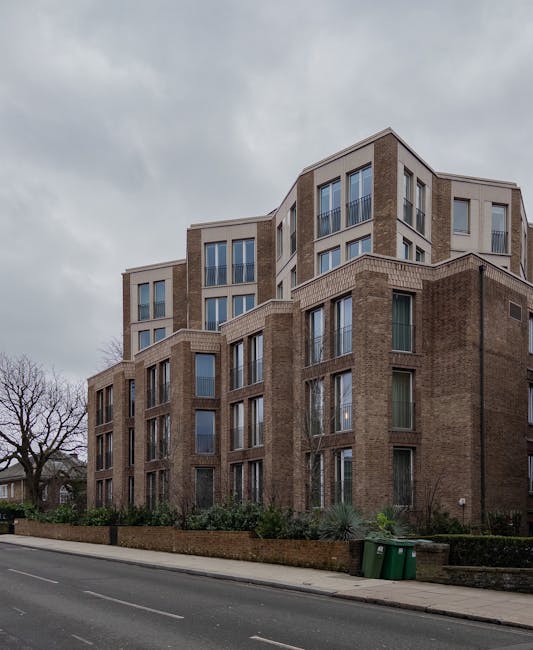
If you have ever waited for a collection truck that could not quite reach your property, or watched a pile of rubbish sit around longer than planned, you already know how frustrating delays and access issues for West Hampstead waste collection can be. In West Hampstead, small things make a big difference: narrow streets, limited parking, awkward stairwells, shared entrances, timed loading bays, and busy daily traffic all play their part. The good news? Most of these problems can be anticipated and handled well before they turn into a headache.
This guide breaks down what causes collection delays, how access problems are usually dealt with, and what you can do to keep things moving. Whether you are arranging a flat clearance, planning builder waste removal, or simply trying to avoid a missed appointment, the practical advice below should help. And yes, a bit of planning goes a long way. Sometimes annoyingly so, but there it is.
Why Delays and access issues for West Hampstead waste collection Matters
Waste collection only looks simple from the outside. In reality, a collection can be delayed for reasons that are completely mundane and still very disruptive. If a vehicle cannot safely stop, if there is no clear route to the waste, or if items are not ready when the crew arrives, the whole job can slip. That matters because waste does not just sit quietly in the background. It blocks hallways, creates odours, attracts pests, and can make a property feel unmanaged in a matter of hours.
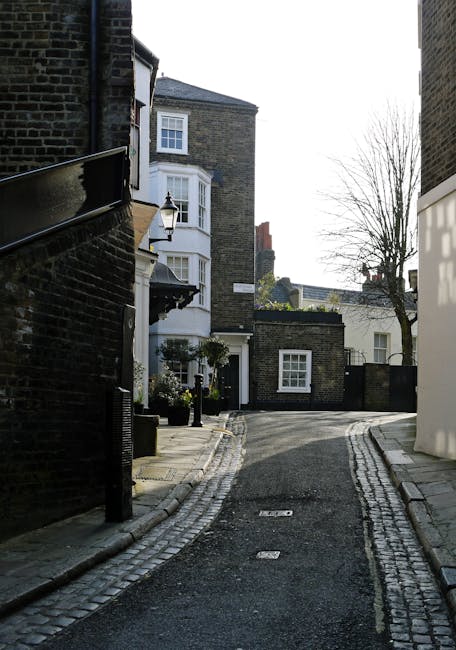
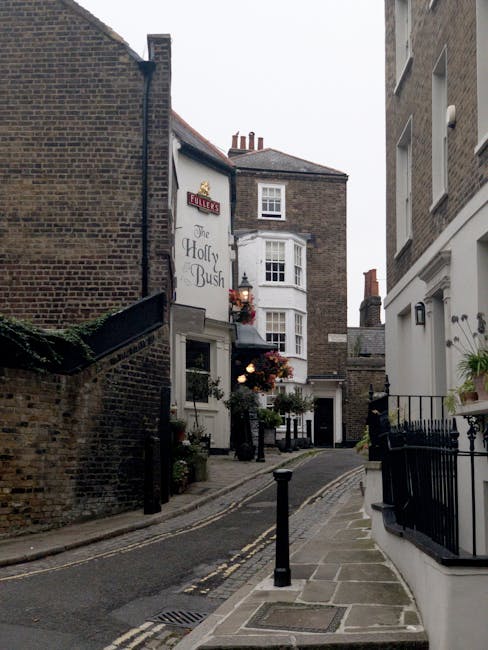
In West Hampstead, access issues often come down to the shape of the property and the rhythm of the neighbourhood. Many homes and flats are tucked behind front gates, up flights of stairs, or along streets where stopping for even a few minutes is tricky. Busy periods around school runs, commuter traffic, and loading restrictions can all add pressure. If you are in a flat conversion or an older terrace, you may also find the internal access is the real issue, not the street outside.
The practical side of this is worth stressing. Delays are not always about the collection company being late. Sometimes the collection has to be rescheduled because the waste could not be reached safely or because the vehicle could not park without causing a problem. That distinction matters, especially if you are managing a move, a refurbishment, or a commercial property with a tight handover date.
For local readers, it is also worth noting that delays can affect more than convenience. They can affect building rules, neighbour relations, and sometimes pricing if extra labour or waiting time is needed. If you are comparing options, it helps to understand the wider service context too. A useful starting point is the services overview, because it shows how different collection types fit different access situations.
Key takeaway: most collection delays in West Hampstead are preventable once you think like a crew member for five minutes: where will the vehicle stop, how will waste be carried out, and what might get in the way?
How Delays and access issues for West Hampstead waste collection Works
At a practical level, a waste collection team usually follows a simple chain: arrival, access check, loading, confirmation, and departure. Delays creep in when one step gets interrupted. The most common access issue is physical access. That can mean a narrow road, low hanging trees, parked cars, blocked gates, a lift that is too small, or a stairwell that makes larger items difficult to remove without extra time.
There is also operational access. This is the less visible side. For example, the crew may need someone to be present to open a communal door, unlock a basement, confirm which items are leaving, or sign off a collection. If that person is running late, the crew may have to wait or move on. Truth be told, one missed call or one unprepared key can change the whole schedule.
Some collections are straightforward, such as a few black sacks and a broken chair from a ground-floor flat. Others are more complex. Think bulky wardrobes, office furniture in a shared building, builders' rubble from a rear mews, or a full house clearance where waste is spread across multiple rooms. In those cases, the team has to decide whether the access is safe, efficient, and fair to the customer.
There is a strong overlap here with planning for specific services. For example, clearance jobs often require more space and more time than standard rubbish removal, which is why pages such as house clearance in West Hampstead and office clearance are useful if you are dealing with a larger, more complex load.
In practice, crews tend to look for three things before they begin:
- Whether the vehicle can stop close enough to the property.
- Whether the waste can be moved safely without damaging the property or blocking others.
- Whether the load is ready, separated, and accurately described.
If any one of those pieces is weak, the collection can slow down. Not always dramatically, but enough to feel it.
Key Benefits and Practical Advantages
Dealing with access issues early is not just about avoiding frustration. Done well, it saves time, reduces last-minute stress, and often keeps costs more predictable. That last point matters more than people think. A collection that starts with a surprise access problem can end with extra waiting time, extra labour, or an awkward rebooking. Nobody enjoys that conversation at the kerbside.
Here are the main practical advantages of getting ahead of delays:
- Faster turnaround: the crew arrives ready to work, rather than spending ten minutes trying to solve a parking or entry problem.
- Less disruption to neighbours: waste is removed efficiently, with less blocking of shared areas or entrances.
- Better safety: fewer rushed lifts, fewer awkward carries, and less chance of damage to walls, doors, or stair rails.
- More accurate pricing: the job can be quoted more clearly when the access conditions are described properly.
- Reduced rescheduling: one well-planned collection is almost always easier than two partial attempts.
There is a softer benefit too. When a property is being cleared, moved out, or prepared for handover, access issues create a feeling of friction. Everything feels harder. Once the rubbish is dealt with, the place suddenly breathes again. A hallway clears, a flat feels bigger, and the whole day tends to go better. Small thing, but very real.
If you are comparing collection choices, it may help to review the broader support offered on waste collection West Hampstead and related services such as furniture disposal or builders waste disposal, because the type of waste often affects the access plan.
Who This Is For and When It Makes Sense
This topic matters to more people than you might expect. It is not just for people with a broken sofa in the front room. Delays and access issues affect homeowners, tenants, landlords, estate agents, facilities teams, tradespeople, and anyone trying to clear waste from a property with limited access. If that sounds broad, well, it is. West Hampstead has enough varied property types to keep everyone on their toes.
It makes particular sense in these situations:
- Flat clearances: communal entrances, stairwells, lifts, and tight corridors can slow removal.
- Pre-sale or pre-let preparations: timing is usually tight and delays are expensive in practical terms.
- Building work: contractors need reliable removal windows, especially when skips are not suitable.
- Office moves: access, lift bookings, and loading restrictions can all affect collection timing.
- Garden work: soil, branches, and green waste may be easy to gather but awkward to transport through a property.
It is also relevant for people moving into the area. If you are new to the neighbourhood, the local layout can catch you out. For a sense of the residential character and what daily life feels like in the area, these pieces can be useful background: what to expect from Hampstead lifestyle and the West End Lane rubbish collection guide.
Sometimes the best time to think about access is before you even need a collection. If you are buying a property or planning a move, a realistic check of entry points, stair widths, and parking options can save a lot of pain later. That is especially true in older buildings and converted flats. A little boring, yes. Useful, absolutely.
Step-by-Step Guidance
If you want collections to run smoothly, follow a simple process. It does not need to be complicated. It just needs to be specific.
-
Describe the property properly.
Tell the collection team whether it is a house, flat, basement unit, office, or shared building. Mention stairs, lifts, rear access, gated entrances, or any parking limitations. "Easy access" means different things to different people, so spell it out.
-
State exactly what needs removing.
Bulky furniture, mixed rubbish, office items, garden waste, or construction debris all affect the time and labour involved. If the load is awkward, say so. One oversized wardrobe can change the whole plan.
-
Check where the vehicle can stop.
Think about the closest practical stopping point, not just the nearest curb. If there are yellow lines, loading restrictions, school traffic, or residents' bays, mention them early.
-
Prepare the waste before arrival.
Group items together, clear a route through hallways, and keep small loose items bagged. If you can avoid the crew having to hunt for the last box under a bed, everyone wins.
-
Make sure keys or access codes are ready.
For shared buildings, someone should be available to open entrances, unlock side gates, or confirm lift access. This is the sort of thing people assume will be fine until it is not.
-
Allow a sensible buffer.
Even a well-run collection can be affected by traffic or parking. If your day is tightly timed, leave breathing space between appointments.
-
Confirm the job before it starts.
A quick final walk-through helps avoid "I thought that chair was going too" moments. Those moments are never fun, for anyone.
If you are arranging a more specific collection, such as garden waste or a one-off property clearance, it may help to look at relevant service pages like garden waste removal or house clearance so the access plan matches the job type.
Expert Tips for Better Results
A few small habits make a huge difference. In our experience, the smoothest collections are rarely the luckiest ones. They are the best prepared.
1. Walk the route before the crew arrives
Stand at the front door and follow the path the waste will take. Notice low ceilings, corners, lifts that are too tight, bins left in the hallway, or an awkward step at the threshold. If you notice it, the crew will notice it too.
2. Take photos if access is tight
A couple of quick pictures can help describe a narrow alley, a basement stair, or a restricted loading point. That does not replace a proper description, but it gives useful context. And sometimes context is everything.
3. Separate what is staying from what is going
A surprisingly common issue is waste mixed in with furniture, fixtures, or items that are not actually due for removal. Marking items clearly avoids mistakes and speeds up loading.
4. Keep neighbours in mind
If you share entrances or courtyards, a brief heads-up can reduce friction. Nobody likes their doorway blocked by a mattress at 8:15 on a Tuesday morning. Reasonable people are usually fine when they know what is happening.
5. Be realistic about bulky items
Some items are just awkward. Sofas, wardrobes, filing cabinets, and appliance units can all require extra time. If the item needs dismantling, mention that before collection day. It is much better than finding out at the top of a staircase.
For jobs that need a same-day turnaround, the planning needs to be even tighter. A good overview of what that involves is covered in what to know about same-day rubbish collection in West Hampstead.
Common Mistakes to Avoid
Most delays are not mysterious. They come from a handful of repeated mistakes that are easy to prevent once you know what to look for.
- Assuming access is obvious: what looks straightforward to you may be awkward for a vehicle or two-person crew.
- Underestimating how much waste there is: one room of clutter can turn into three rooms of clutter very quickly.
- Forgetting about parking: "I thought there'd be space" is not a plan.
- Not telling anyone about stairs, lifts, or shared entrances: this is one of the biggest reasons collections slow down.
- Leaving items scattered around the property: it adds time, increases risk, and makes the job feel messier than it needs to be.
- Booking too tightly around other appointments: a little buffer saves a lot of stress.
Another common issue is focusing only on price and ignoring access detail. To be fair, everyone wants value. But the cheapest quote on paper is not much use if the job gets delayed because the collector was not told about the basement stairs or loading restrictions. That is where pages like avoid hidden charges for rubbish removal in West Hampstead can help you think more carefully about the full picture.
Small note, and this one matters: do not leave access assumptions until the last minute. It nearly always costs more in time and effort later. Nearly always.
Tools, Resources and Recommendations
You do not need special software to solve access problems, but a few simple tools and habits help a lot.
- Phone camera: take photos of entrances, staircases, gates, and parking conditions.
- Property notes: keep a short written note of door codes, key locations, and collection instructions.
- Measuring tape: useful for checking whether large items can fit through doors or stair turns.
- Marker labels: handy for marking items to stay, items to go, and anything that needs dismantling first.
- Calendar buffer: yes, that counts. Probably the most underrated tool of all.
If you are comparing service types, these pages can help you match the job to the right approach: furniture disposal, builders waste disposal, and office clearance. Each one brings different access expectations, so the more accurate your brief, the smoother the day.
If you want to understand the company's broader approach to service, trust, and working standards, a quick look at about us and insurance and safety is also worthwhile. That is especially sensible when you are handling fragile access points, shared property areas, or heavier items.
Law, Compliance, Standards, or Best Practice
When waste collection is delayed or access is difficult, it is not just a scheduling issue. There are also practical duties around safety, property care, and responsible handling. While the exact obligations can vary depending on the job and premises, good practice in the UK generally means keeping people safe, avoiding obstruction, and ensuring waste is handled by properly arranged services.
For everyday customers, the most useful principle is simple: provide accurate information, do not misrepresent the load, and make sure access is safe enough for a collection team to work without unnecessary risk. If access is genuinely unsafe, a collection may need to be adapted or postponed. That is not over-cautious. It is sensible.
Building managers and landlords should be especially careful with shared entrances, fire routes, and communal spaces. Even short-term obstruction can become a bigger issue if it blocks movement or creates a hazard. The same applies to office properties, where staff and visitors may be moving through the same route as the collection team.
There is also a fairness point. If access conditions are materially different from what was described, the crew may need extra time or labour. Accurate information protects both sides. It keeps expectations aligned and avoids awkward surprises, which, let's face it, nobody enjoys on a busy street.
For shoppers comparing terms, payment, and service expectations, it can also help to review terms and conditions, payment and security, and pricing and quotes. Those pages are useful when you want a clearer idea of what is included and how access-related changes may be handled.
Finally, if sustainability matters to you, it is worth understanding how waste is sorted and diverted where possible. That wider context is covered on recycling and sustainability. Access problems and responsible disposal are not the same topic, but they often meet in the same real-world job.
Options, Methods, or Comparison Table
Different access problems call for different approaches. The right choice depends on the building, the waste type, and how much time you have. Here is a simple comparison to help you think it through.
| Situation | Best approach | Why it works | Watch out for |
|---|---|---|---|
| Ground-floor property with driveway access | Standard booked collection | Fast loading and simple vehicle access | Do not leave items spread across multiple rooms |
| Flat with stairs and no lift | Pre-described manual carry collection | Team can plan time and labour properly | Large wardrobes or heavy items may need dismantling |
| Shared building with controlled entry | Timed arrival and key/entry coordination | Avoids waiting and confusion at reception | Access codes must be ready in advance |
| Narrow road or loading restriction | Short-window, carefully timed collection | Reduces risk of parking conflict or delays | Traffic can still create a small wobble in timing |
| Large clear-out or estate job | Full clearance plan | Allows for multiple loads and more careful sorting | Needs clear instructions about what stays and what goes |
If you are comparing wider service options in the area, a local guide such as best rubbish collection services for NW6 Kilburn Lane can be helpful for understanding how service style and access flexibility can differ. For more location-specific context, estate clearance in West Hampstead, Mill Lane and Fortune Green gives a useful sense of how larger local clearances are often approached.
Case Study or Real-World Example
Picture a fairly typical West Hampstead flat move-out. The customer has a three-seat sofa, two broken bookcases, several bin bags, and a mirror that was never quite where it should have been. On paper, it sounds like a quick job. Then the crew arrives and discovers the building entrance is shared, the lift is too small for the sofa, and the only practical parking spot is already occupied by another vehicle. Not a disaster, but enough to slow things down.
What fixed it? A few sensible adjustments. The customer opened the side gate early, the sofa was checked for possible dismantling, the bags were grouped by the entrance, and one neighbour was informed that brief hallway movement would happen. The collection still took time, but it stayed manageable. No drama. No repeated trip. Just careful handling and clear communication.
That is the pattern you see again and again. The most successful collections are usually the ones where everyone knows a little more than they think they need to know. It sounds obvious, but in the middle of a busy day it makes all the difference.
For moving-related waste, especially in flats, it is worth reading common problems when moving out rubbish in West Hampstead flats. It captures the sort of practical snags that often show up right when time is tight.
Practical Checklist
Use this before collection day. Keep it simple and honest.
- Have I described the property type clearly?
- Did I mention stairs, lifts, gates, basements, or rear access?
- Is parking or loading access likely to be restricted?
- Have I listed every bulky item and any awkward pieces?
- Are the items grouped and ready to remove?
- Do I know who will open the property or share access if needed?
- Have I allowed enough time buffer around the appointment?
- Have I warned anyone else who might be affected by the collection?
- Do I understand whether the job is a simple collection, clearance, or specialist disposal?
- Have I checked the service information and terms before confirming?
If even one of these is missing, the risk of delay goes up. If three or four are missing, you may already know what sort of day you are about to have. Still, it is fixable. Usually.
Conclusion
Delays and access issues for West Hampstead waste collection are rarely about bad luck alone. They usually come from ordinary details that were not checked early enough: tight roads, shared entrances, narrow stairs, parking limits, or unclear instructions. The more accurately you describe the property and the waste, the easier it is to avoid unnecessary waiting and awkward rescheduling.
What really helps is a calm, practical mindset. Walk the route. Flag the obstacles. Tell the truth about the load. Leave a little room in the schedule. That's it, really. Not glamorous, but effective. And in a busy part of London, effective is what you want.
If you are planning a clearance, a move-out, or a bulk collection and want the process to feel less chaotic, now is the right time to review your access details and service options carefully.
Get a free quote today and see how much you can save.
 Tipper Van - Rubbish Removal and Waste Removal Prices in West Hampstead, NW6
 Luton Van - Rubbish Removal and Waste Removal Prices in West Hampstead, NW6


