Common problems when moving out rubbish West Hampstead flats
Posted on 02/08/2026
Moving out of a flat is rarely just a keys-on-the-table moment. In West Hampstead, it often turns into a juggling act: boxes in the hallway, a lift that is busy at the worst possible time, black bags that somehow multiply overnight, and a landlord who wants the place spotless by midday. The common problems when moving out rubbish West Hampstead flats are usually not dramatic on their own, but together they can derail an otherwise smooth move.
This guide breaks down the practical issues people run into, why they happen in flat blocks, and how to handle them without making the whole day feel like a scramble. If you are trying to clear a studio, a family apartment, or a rented flat with bulky waste and awkward access, you are in the right place.
For a broader look at how rubbish services fit into the local area, you may also find the West End Lane rubbish collection guide helpful, especially if you are planning around busy streets and tight time windows.
Why Common problems when moving out rubbish West Hampstead flats Matters
Flat moves are different from house moves. There is less space to sort things, less room to stage bags and boxes, and usually more people sharing the same entrance, bin store, stairs, or lift. That is why rubbish removal at the end of a tenancy can become surprisingly stressful.
The biggest issue is timing. You may only have a narrow window between packing, handover, cleaning, and transport. One delayed lift booking or one overfilled communal bin area can create a chain reaction. And let's face it, nobody wants to be dragging a broken wardrobe down three flights of stairs at 8pm because the disposal plan was a bit too optimistic.
There is also the money side. Missed clearance can lead to landlord deductions, extra van hire, or a rushed same-day booking. If you are trying to avoid hidden costs, it is worth reading how to avoid hidden charges for rubbish removal in West Hampstead before you commit to anything.
In local flat blocks, rubbish issues also affect neighbours. A corridor left cluttered for half a day is more than an inconvenience. It can block access, breach building rules, and make everyone slightly grumpy. Not ideal on moving day, when everybody is already running on tea and adrenaline.
Expert summary: The main challenge is not just "getting rid of rubbish"; it is clearing it safely, on time, and without upsetting building rules, neighbours, or your final inspection.
How Common problems when moving out rubbish West Hampstead flats Works
When people talk about moving-out rubbish, they usually mean the full end-of-tenancy clearance: unwanted furniture, broken household items, bagged waste, recycling, old bedding, clothing, packaging, and any odd bits that do not fit in normal household bins. In a flat, that process is shaped by access, building management, and the volume of items.
Most problems happen because the rubbish is dealt with too late. A sofa that looked manageable during the month suddenly becomes the thing blocking the hallway. The old desk from the spare room, the flat-packed shelves, and three bags of clutter that were "for charity later" all show up at once. That is the usual story, anyway.
The practical flow usually looks like this:
- Sort items into keep, donate, recycle, and dispose.
- Check your building's rules for lifts, loading bays, parking, and collection hours.
- Separate bulky items from bagged waste.
- Book clearance or arrange transport early enough to avoid last-minute pressure.
- Leave the flat and shared areas clean for handover.
If you need a broader service overview before choosing the right option, the services overview is a sensible starting point. It helps you match the type of waste to the right disposal method instead of treating everything as if it were the same job.
For properties with mixed household and work-related items, you may also want to separate anything that belongs in an office clearance rather than a standard flat clearance. It sounds obvious, but in real life people often end up with printer boxes, filing units, and broken office chairs mixed in with domestic waste.
Key Benefits and Practical Advantages
Doing flat rubbish clearance properly is not just about cleanliness. It gives you room to think. Sounds simple, but it matters when moving day gets messy.
- Faster handover: A clear flat is easier to clean and inspect.
- Lower stress: You are not making disposal decisions under pressure.
- Better access: Hallways, stairs, and lifts stay usable.
- Less waste sent the wrong way: Recycling and re-use become easier when items are sorted early.
- Reduced risk of fees: Cleaner handovers can help avoid deductions or extra charges.
There is a quieter benefit too: closure. Once the rubbish is gone, the flat actually starts to look like a place that is leaving your life. That can be oddly calming after weeks of packing tape, missing chargers, and random drawer debris.
If you are clearing a flat because you are moving within the area or buying locally, reading about the neighbourhood can also make the transition feel less abrupt. The pieces on what to expect from the Hampstead lifestyle and the splendor of Hampstead are useful context if your move is tied to a wider change of area.
Who This Is For and When It Makes Sense
This topic matters to a fairly wide group of people, not just tenants leaving a rental flat. In practice, it comes up for:
- tenants at the end of a lease
- owners selling a flat
- landlords preparing a property for new occupants
- relatives handling an estate clearance
- flat sharers moving out at different times
- people downsizing from a larger apartment to a smaller one
It also makes sense if you are dealing with one awkward item rather than a full flat load. A single mattress or sofa can still be a problem in a top-floor flat with no lift. The same goes for several bags of mixed rubbish sitting in a hallway because you are waiting for bin day. That small delay can become a surprisingly big annoyance.
If your move is part of a property purchase, the timing gets even tighter. For that side of the story, buying homes in Hampstead and essential tips for Hampstead real estate purchases offer useful background on planning around completion, access, and handover.
Truth be told, the people who benefit most are the ones who start thinking about rubbish before packing is finished. That one habit saves a lot of faffing about later.
Step-by-Step Guidance
Here is a practical way to handle rubbish when moving out of a West Hampstead flat without letting it snowball.
1. Start with a room-by-room sort
Do not wait until moving day. Walk through each room and separate items into four groups: keep, donate, recycle, and dispose. This reduces the chance of "surprise" rubbish appearing at the last minute.
2. Identify bulky waste early
Bulky items need a different plan from bagged rubbish. Think mattresses, wardrobes, shelves, broken chairs, tables, and disassembled furniture. These can be awkward in narrow hallways and may not fit down stairs cleanly.
3. Check access before the van turns up
Flat blocks in West Hampstead often have limited parking and shared entrances. If the lift is small or the access road is tight, that changes everything. A clearance plan that looks fine on paper can collapse when faced with a locked gate or a double-parked delivery van.
4. Keep communal areas clear
Shared spaces matter. Place items where building rules allow, and do not block exits, fire routes, or neighbours' access. A tidy pile near the correct collection point is one thing; a corridor full of bits and pieces is another.
5. Separate recycling from general waste
Cardboard, metal, electrical items, and reusable furniture should not all be dumped together if it can be avoided. Recycling properly is more efficient and often cleaner. If sustainability matters to you, the recycling and sustainability page is worth a look.
6. Book the right type of clearance
If you only have a couple of bags, a small collection may be enough. If you are leaving behind furniture, appliances, and several mixed loads, you are probably better off with a fuller clearance option. There is no prize for trying to fit a flat's worth of junk into one car boot. We have all seen people try, though.
7. Leave time for the final sweep
Once everything is out, do a last check in cupboards, under beds, on balconies, and behind doors. The amount of stuff people forget in a flat is mildly impressive. Chargers, coat hangers, a spare curtain rail, a box of cables... the usual suspects.
Expert Tips for Better Results
Some of the best outcomes come from small decisions made early. Here are a few practical ones that make a real difference.
- Book before the final packing day. You will make calmer choices if the disposal slot is already in place.
- Measure your bulky items. It helps to know whether that sofa is actually getting through the stairwell without a battle.
- Take photos of anything questionable. If you need to ask a landlord, managing agent, or clearance team whether an item can go, photos save time.
- Keep important paperwork separate. It is surprisingly easy for documents to end up in a "miscellaneous" box. Not ideal.
- Use the final week for ruthless decluttering. If you have not worn it, used it, or opened it in a year, ask yourself why you are still moving it.
A useful local detail: if your flat is near a busier stretch or a tighter residential road, collection timing matters more than people think. Morning slots often feel less chaotic, especially when neighbours are coming and going and building entrances are getting used. If you are planning around a specific part of the area, the best rubbish collection services for NW6 Kilburn Lane article gives a good sense of local collection pressures.
And if you need the job done fast, same-day clearance can be a lifeline, provided you are realistic about access and load size. A practical read on same-day rubbish collection in West Hampstead can help set expectations.
Common Mistakes to Avoid
The same issues crop up again and again. Most are easy to avoid once you know what to look for.
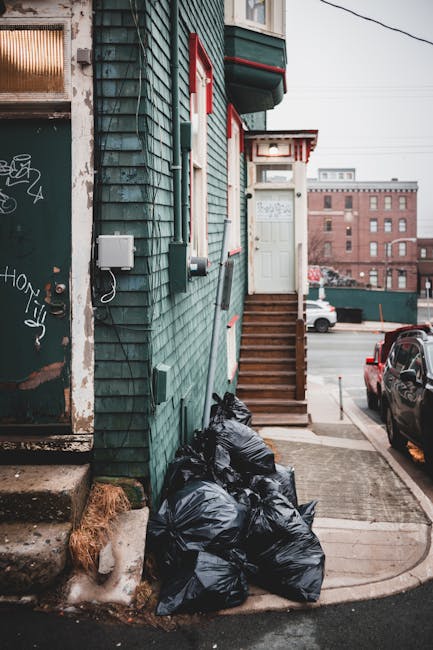
- Leaving disposal until the last 24 hours. This is the big one. It almost always creates unnecessary pressure.
- Assuming the lift can handle everything. Lifts are helpful, not magical.
- Mixing hazardous or specialist items with general rubbish. Paint, sharp objects, and electrical waste need extra care.
- Putting items in communal areas without checking the rules. It can cause complaints or delays.
- Forgetting about hidden storage spaces. Cupboards, under-bed drawers, loft cupboards, and balcony corners are common hiding places for leftover clutter.
- Overestimating what you can carry yourself. That heavy wardrobe is not getting lighter just because you believe in yourself.
A subtle mistake is forgetting the emotional side of clearing out. People often keep hold of broken items because they mean to repair them, or because they are unsure whether the item belongs to them, a flatmate, or the landlord. That uncertainty slows everything down. A quick decision tree helps more than a long debate.
Tools, Resources and Recommendations
You do not need fancy kit to manage flat rubbish, but a few simple tools make life easier.
- Sturdy bin bags: Use proper bags rather than overstuffed thin ones that split halfway down the stairs.
- Marker pens and labels: Helpful for tagging "keep," "donate," and "dispose" boxes.
- Measuring tape: Essential for bulky furniture and lift access.
- Protective gloves: Especially useful for broken items, dusty storage spaces, and old fixtures.
- Phone camera: Great for documenting item condition before disposal decisions.
- Moving trolleys or sack barrows: Useful if building access allows them.
For services that involve larger loads or mixed property contents, some readers find it helpful to compare options such as house clearance in West Hampstead, furniture disposal, and general waste collection. The right choice depends on what you are clearing, how much there is, and how much access you have.
If you are dealing with garden overspill from a flat with outdoor space, or moving things out from a basement or patio, a related service such as garden waste removal in West Hampstead can be more appropriate than a standard flat clearance. That distinction matters more than most people realise.
Law, Compliance, Standards, or Best Practice
For rubbish removal in flats, the important point is to stay within recognised UK waste-handling expectations and your building's own rules. You do not need to know every technical detail, but you do need to avoid dumping items in the wrong place or handing waste to an unverified operator.
Best practice usually means:
- sorting waste responsibly
- keeping shared areas clear
- respecting collection times and access arrangements
- avoiding fire exits, lobbies, and stairwells as storage points
- using a service that explains what it will take and how the job will be handled
If you are comparing providers, check the small print carefully. The relevant details are often in the terms and conditions, pricing and quotes information, and payment and security page. That is not thrilling reading, granted, but it can save you from surprises later.
It is also sensible to look at safety and liability information before heavy lifting starts. The insurance and safety page is particularly useful if your clearance involves stairs, sharp debris, or large furniture.
For larger or more sensitive property content, such as a deceased estate or a long-empty flat, a more structured approach may be needed. In those situations, estate clearance in West Hampstead can be a more fitting route than a basic same-van collection.
Options, Methods, or Comparison Table
Different flats call for different clearance methods. Here is a simple comparison to help you choose.
| Method | Best for | Strengths | Limitations |
|---|---|---|---|
| Self-disposal | Small amounts of bagged waste | Cheap, flexible, straightforward | Time-consuming, physically demanding, tricky without parking |
| Van hire or personal transport | Moderate loads and a few bulky items | More control over timing | Manual handling, loading risk, parking issues |
| Booked rubbish collection | Mixed waste and furniture from flats | Convenient, less heavy lifting, usually quicker | Needs early planning and clear item list |
| Full flat clearance | Large moves, end-of-tenancy clearances, estates | Comprehensive and efficient | Usually more involved, can cost more depending on volume |
For many people in West Hampstead flats, the best route is a middle ground: enough help to remove bulky items safely, but not so much that you pay for unnecessary extras. The goal is neat and efficient, not overcomplicated.
Case Study or Real-World Example
A typical scenario: a two-bed flat near a busy road in West Hampstead, two tenants moving out on different days, and a landlord inspection booked for Friday morning. By Wednesday evening, there are still three bags of mixed rubbish, a broken chair, a dismantled desk, a mattress, and a pile of packaging from the move itself.
At first, it seems manageable. Then the lift is booked for another move. The stairwell is narrow. Parking is awkward. One tenant is at work. The other is trying to clean the kitchen. Suddenly the rubbish is not just rubbish, it is the thing holding the whole move together.
The fix was simple enough in the end: sort bagged waste first, isolate the bulky items, arrange one collection slot with clear access notes, and leave the last hour free for a final sweep. Not glamorous. But it worked.
That is usually the pattern. The difficulty is rarely the waste itself. It is the timing around the waste.
Practical Checklist
Use this checklist a few days before you move out:
- Walk through every room and mark items to keep, donate, recycle, or dispose.
- Check the building rules for lift use, loading access, and collection times.
- Separate bulky items from bagged waste.
- Measure furniture if it needs to pass through tight hallways or doorways.
- Keep corridors, exits, and shared areas clear.
- Set aside valuables, documents, chargers, and keys.
- Take photos if you need proof of what was left behind or removed.
- Book the clearance method that matches the actual volume of waste.
- Leave time for a final clean and a final look in storage spaces.
- Confirm payment details and what is included before the collection day.
That last point sounds basic, but basic is good. Basic keeps moving day from becoming a drama.
Conclusion
The common problems when moving out rubbish West Hampstead flats usually come down to access, timing, and underestimating how much clutter builds up in a small space. Once you plan around those three things, the whole process gets much easier.
Start early, sort properly, and do not leave bulky items until the final hour if you can help it. A flat move can feel rushed enough without adding a mountain of leftovers to the hallway. Clear the space, keep the shared areas tidy, and give yourself a proper chance to finish on a clean note.
Get a free quote today and see how much you can save.
And if all you manage is one more box sorted tonight, that is still progress. Small wins count on moving week.
 Tipper Van - Rubbish Removal and Waste Removal Prices in West Hampstead, NW6
 Luton Van - Rubbish Removal and Waste Removal Prices in West Hampstead, NW6


